Nicaragua bans tourists from bringing Bibles into the country
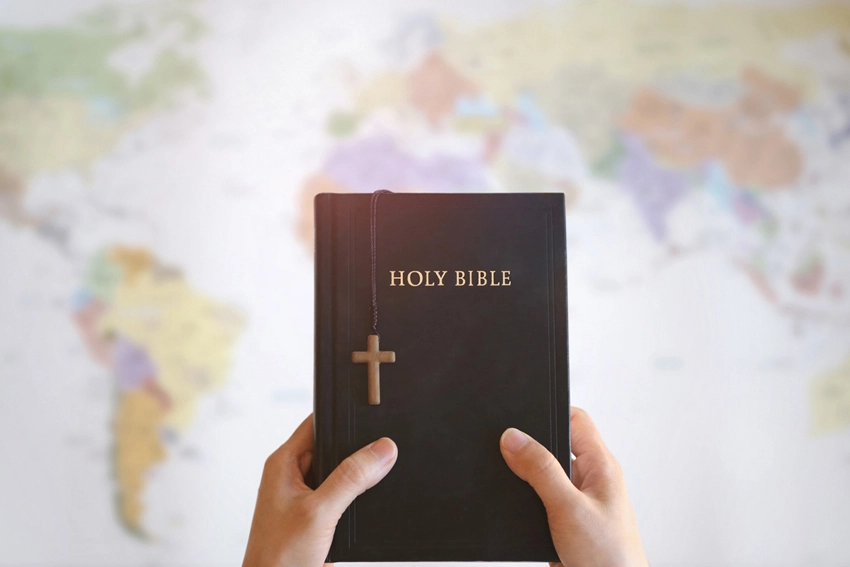
Tourists entering Nicaragua are no longer allowed to carry Bibles. The restriction, which also applies to other printed materials and electronic equipment, is part of a growing list of prohibited items at the border and comes amid tightening limits on civil liberties and an ongoing crackdown on Christians.
Notices displayed at Tica Bus terminals in Costa Rica list Bibles, newspapers, magazines, books, drones and cameras among banned items alongside sharp objects and perishable food, according to the U.K.-based group Christian Solidarity Worldwide.
A representative from the regional transport company Tica Bus in El Salvador confirmed that passengers traveling to Managua are not permitted to bring “Bibles, newspapers, magazines, books of any kind, drones and cameras,” CSW said.
A second representative from the company’s Honduras office said the restrictions had been in effect for more than six months.
The ban follows years of escalating limits on civil liberties and religious expression in Nicaragua. Thousands of civil society groups have been shut down, and religious organizations have faced surveillance, detention and the cancellation of public events.
Since April 2018, more than 5,000 independent civil society organizations have had their legal status revoked, including over 1,300 religious groups.
Restrictions on media, such as customs controls on ink and paper, led to the 2019 shutdown of El Nuevo Diario, a prominent independent newspaper.
Public religious processions have been banned unless organized by groups aligned with the government. In several documented cases, religious leaders have been detained arbitrarily, their movements restricted, and their activities subject to state approval.
The church has remained one of the few institutions openly critical of President Daniel Ortega’s government. During mass protests in 2018 against pension reforms, clergy, including Palacios Vargas, a Protestant pastor and founder of the La Roca de Nicaragua Church Association in Jinotepe, condemned police violence against students.
In 2019, the Association had its legal status revoked, part of a trend of legal and bureaucratic targeting of faith-based organizations.
The Nicaraguan government has also imposed tighter financial and legal constraints on NGOs. A 2018 foreign funding law has allowed officials to shutter thousands of organizations, disproportionately affecting Catholic institutions that previously provided refuge for protestors.
In a March withdrawal from the U.N. Human Rights Council, Nicaragua responded to a critical report released two days earlier. The U.N. report accused the Ortega administration of systematically dismantling democracy, violating human rights and targeting religious freedom.
One of the U.N. investigators, Ariela Peralta, stated that the government seemed to be “at war with its own people.” Vice President Rosario Murillo, who is also the president’s wife, rejected the report as “slander” and part of a coordinated smear campaign.
A 2024 report by CSW, titled “Total Control: The Eradication of Independent Voices in Nicaragua,” documented 222 cases of religious persecution, including event cancellations, police monitoring and mandatory weekly check-ins for religious leaders.
The same report found that 46 religious leaders were detained during 2024. Some were released quickly, while others remained in custody for extended periods.
Anna Lee Stangl, CSW’s director of advocacy and Americas team leader, said the ban on religious and printed material was “highly concerning given the current context of repression,” adding that it should be lifted and freedoms restored.
The latest restrictions show Nicaragua’s efforts to control the flow of independent voices and information into the country.